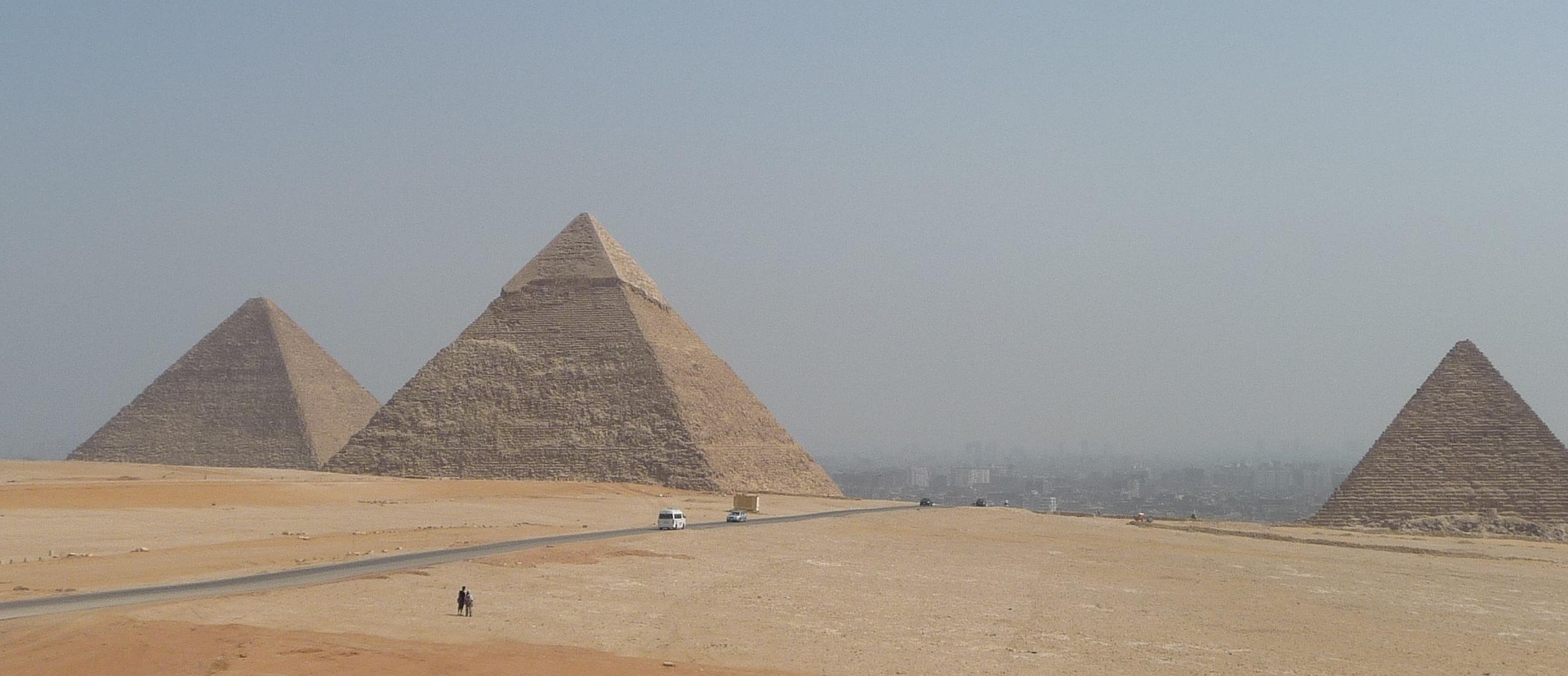
Egypt rewards those who take the time to plan ahead. From the awe-inspiring pharaonic monuments of Luxor, like the Valley of the Kings and the Karnak Temple, to the vibrant coral reefs of the Red Sea, the country offers an unparalleled depth of experiences that few other destinations in the world can rival. Whether you’re drawn to its ancient history, breathtaking natural beauty, or unique cultural treasures, there’s something here for every kind of traveler. This guide will walk you through the best times to visit, the must-see landmarks, and practical tips to help you make the most of your journey through this captivating land.
The Best Time to Visit Egypt
October to April is the sweet spot for
Egypt holidays. Temperatures across the country drop to a far more comfortable range, making long days at archaeological sites genuinely enjoyable rather than exhausting. December and January are the most popular months, which means greater crowds at major landmarks. If you prefer quieter visits without sacrificing pleasant weather, October and March offer the same cool conditions with noticeably fewer tourists around.
Summer travel is possible, but temperatures in Luxor and Aswan regularly exceed 40°C. Unless you are prepared for intense heat, the summer months are better reserved for coastal destinations where sea breezes offer some relief.
Cultural Sites Worth Prioritising
The Giza Plateau is the obvious starting point. The pyramids and the Great Sphinx sit on the edge of Cairo and can be reached easily from the city centre. Arrive early — the site opens at 8am — to avoid the midday heat and the busiest tour groups.
Luxor is where ancient Egyptian history is most concentrated.
The Karnak Temple Complex, the Valley of the Kings, and Luxor Temple are all within reach of the city. Hiring a licensed local guide adds real context to what you are seeing; the hieroglyphs and burial chambers carry far more meaning with expert interpretation.
The Nile connects much of this history. A felucca ride or a multi-day Nile cruise between Luxor and Aswan gives you access to temples and riverside towns that are difficult to reach by road, including Kom Ombo and Edfu.
Coastal Options Along the Red Sea
Not every day of an Egypt holiday needs to be spent at a ruin. Hurghada and Sharm El Sheikh are well-developed resort towns on the Red Sea coast, known for some of the best diving and snorkelling conditions in the world. The water visibility is exceptional, and the coral reefs support a remarkable range of marine life.
Sharm El Sheikh sits at the southern tip of the Sinai Peninsula and is the more established diving destination of the two. Hurghada is closer to Luxor by air and works well as an add-on if you want to split your trip between history and relaxation.
Practical Tips Before You Go
Egypt's official currency is the Egyptian pound. Credit cards are accepted at hotels and larger restaurants, but cash is expected at markets, smaller eateries, and historical sites. ATMs are widely available in Cairo, Luxor, and resort towns.
Within cities, ride-hailing apps such as
Uber and Careem operate reliably and remove the uncertainty of negotiating taxi fares. For travel between cities, domestic flights are affordable and save significant time compared to overland journeys.
Cultural etiquette matters here. Dress modestly when visiting religious sites — shoulders and knees should be covered, regardless of gender. Learning a few words of Arabic goes a long way; greetings are taken seriously and met with warmth.
Building a Balanced Itinerary
A well-structured Egypt holiday combines both strands of what the country offers. A 10-day trip, for example, might give you three days in Cairo, four days in Luxor and Aswan, and three days on the Red Sea coast. That split allows enough time to absorb the historical sites without rushing, while the coastal days provide genuine rest before your return journey.
Book key attractions — particularly the Valley of the Kings — in advance during peak season. Entry is managed through timed ticketing, and popular tombs such as Tutankhamun's sell out quickly.
Egypt is a country that holds its history openly, without barriers. With the right planning, your trip can move at a pace that actually lets you take it all in.