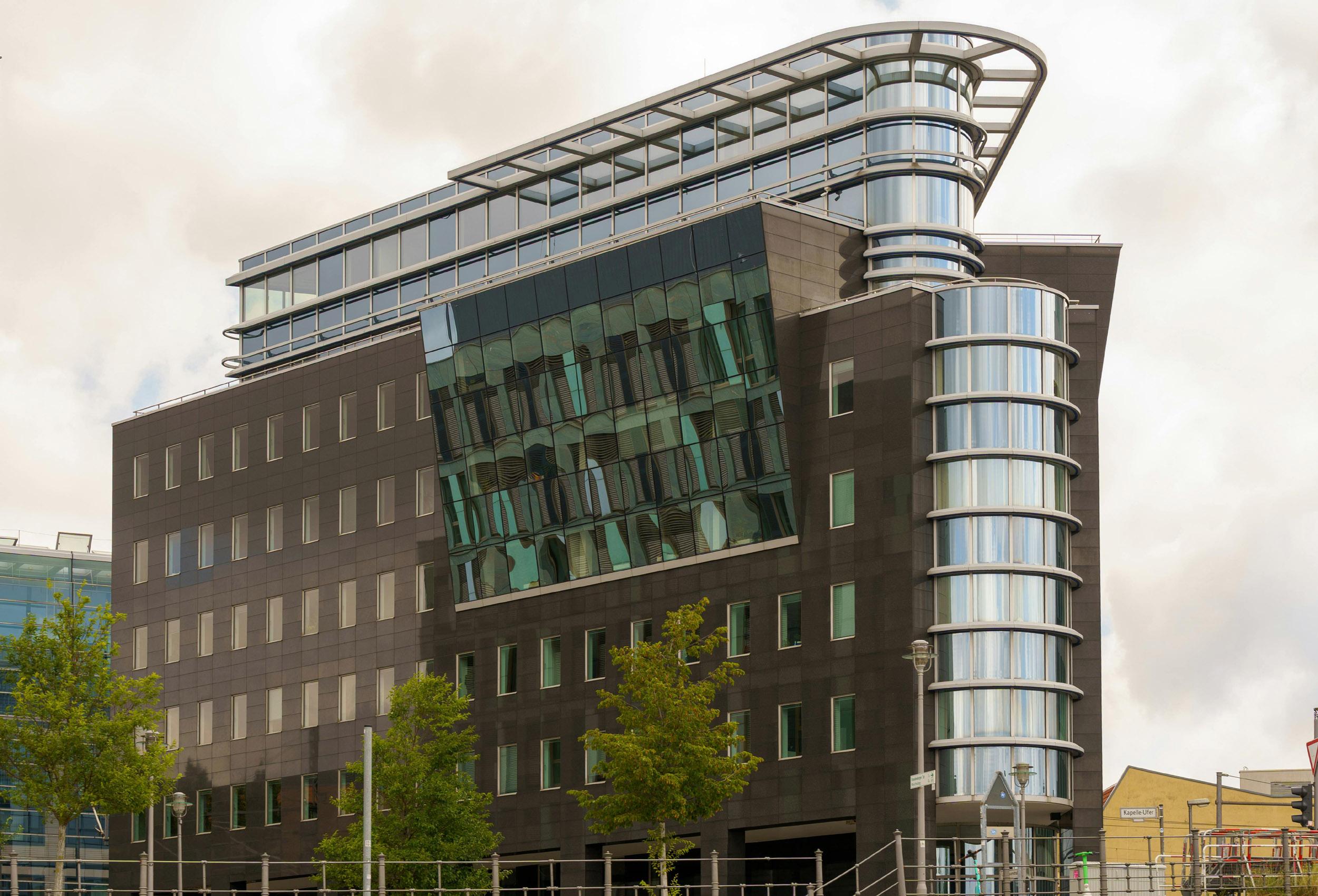
Buildings don't move. They don't blink, shift their weight, or ask for a break. Yet architectural photography is one of the most technically demanding disciplines in the field. Light changes by the minute, angles distort what the eye sees, and post-processing can make or break a shot that looked perfect on location. Whether you're shooting for a client or building a personal portfolio, the following techniques will sharpen your approach and improve your results.
Capturing Structure and Light in Urban Spaces
Urban architectural photography offers a constant tension between shadow and illumination. Glass-fronted office towers reflect the sky differently at 7am than at noon. Concrete brutalist structures reveal their texture only when light hits at a low angle. Before you raise your camera, spend time reading the light in a space.
Pay attention to how surrounding structures affect your subject. A narrow alleyway might cast your building in deep shadow for most of the day, leaving a brief window of clean, even light in the morning. That window is your shot. Scouting a location before your shoot — even using tools like Google Street View — saves you from arriving at the wrong time.
Techniques for Mastering Perspectives and Lines
Distortion is the most common problem in architectural photography. Shooting upward with a standard lens causes vertical lines to converge — what photographers call keystoning. A tilt-shift lens corrects this in-camera by keeping the sensor parallel to the building's facade, though these lenses are expensive. A more accessible option is to shoot from a mid-height vantage point, such as a window or elevated walkway, so you're working parallel to the structure rather than looking up at it.
Leading lines are your compositional allies. Staircases, corridors, colonnades, and bridges draw the viewer's eye directly into the frame. Position them deliberately. A repeating structural element — arches, window frames, support beams — creates rhythm across an image and rewards the viewer who looks closely.
The Impact of Timing and Environment on Design Photography
The hour after sunrise and the hour before sunset are standard recommendations, and for good reason. But overcast days are underrated in architectural photography. Diffused cloud cover acts like a giant softbox, eliminating harsh shadows and allowing architectural detail to read clearly across an entire facade. For interiors, overcast light through large windows creates a balance between natural and artificial sources.
Rain changes a location entirely. Wet pavements reflect light and colour upward, adding a second layer to your composition. Fog softens backgrounds and isolates structures. These are conditions many photographers avoid, but they consistently produce images that look different from the standard portfolio shot.
Post-Processing Strategies for Architectural Clarity
Straightening verticals is usually the first task in post-processing. Lightroom's guided upright tool and Photoshop's perspective warp function both handle this well. Apply corrections conservatively — over-correcting can make a building look unnaturally flattened.
Clarity and texture sliders bring out material detail: stone, brick, glass, and steel all respond differently. Raise them selectively rather than applying a blanket adjustment. For colour, architectural work tends to favour accuracy over mood. Correct white balance first, then make targeted hue adjustments to bring steel-grey facades or terracotta brickwork closer to what you observed on site.
Chromatic aberration — the coloured fringing that appears along high-contrast edges — is common in wide-angle lenses and should always be corrected. It's a small fix that makes a noticeable difference to how professional the final image reads.
Start Shooting With Intention
Architectural photography is a discipline that rewards preparation more than it does spontaneity. Before you even arrive on site, take the time to study the building's design, orientation, and context. With this knowledge, you can plan your timing around the movement of the light, knowing when it will best reveal form and texture.
Once on location, resist the urge to start shooting immediately. Slow down, walk around, and truly look at the lines and shapes in front of you. Observe how they converge and interact from different viewpoints before you frame them in your viewfinder. Finally, in post-processing, your goal should be to refine, not reinvent. Correct with precision rather than broad creative adjustments, aiming for an authentic representation of the structure. If you apply these principles of careful planning, patient observation, and precise editing consistently, the quality and integrity of your architectural photography will undoubtedly reflect that effort.