Buying a new
fridge freezer involves more than picking the biggest model that fits your budget. The right choice affects your electricity bills, how well your food keeps, and how smoothly your kitchen functions day to day. This guide covers the three things worth getting right before you buy: the appliance itself, how it stores food, and how to keep it running well once it's installed.
Choosing Your Next Fridge Freezer
Start with the energy efficiency rating. Modern fridge freezers run continuously, so even a modest improvement in efficiency adds up over a year. Look for models rated A or above under the current EU/UK labelling system. Cooling technology matters here too—inverter compressors, for example, adjust their speed based on demand rather than switching on and off repeatedly, which reduces both energy use and wear over time.
Dimensions are equally practical. Measure your kitchen space carefully, accounting for door swing and any cabinetry that might restrict airflow around the unit. A model that looks ideal in a showroom can become a daily frustration if it blocks a walkway or crowds a counter. Think also about your household's actual storage habits. A family of four has very different daily requirements from a single-person household, and storage capacity should reflect that.
Maximising Food Freshness and Storage
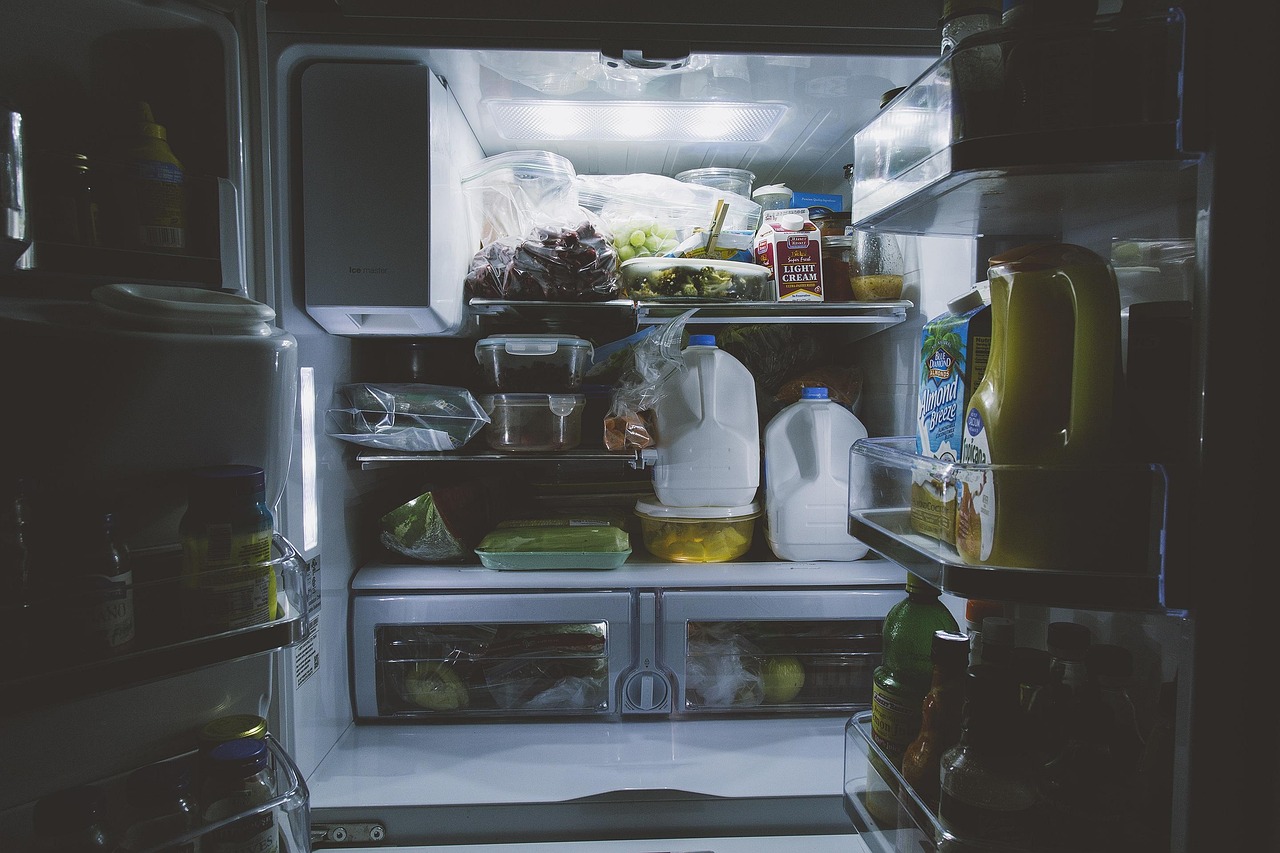
Internal layout has a direct impact on how long your food stays fresh. Adjustable shelving lets you reconfigure space for bulkier items—tall bottles, large platters, or batch-cooked meals in deep containers. Some models include dedicated humidity-controlled drawers for
fruit and vegetables, which slow moisture loss and help produce last longer without wilting.
Frost-free systems are worth prioritising. Traditional fridge freezers require manual defrosting, which most people delay far longer than they should. Frost build-up acts as an insulating layer, forcing the compressor to work harder and leading to inconsistent temperatures. A frost-free model circulates air to prevent ice accumulation, keeping temperatures stable and food safer without the maintenance burden.
Installation and Long-Term Maintenance
Proper installation is often overlooked, but it affects performance from day one. Every fridge freezer requires adequate ventilation around the compressor and condenser coils—check the manufacturer's specifications for minimum clearance distances. Positioning the unit too close to a wall or cramming it into a tight recess restricts airflow and puts unnecessary strain on the motor.
Once installed, two maintenance tasks make the biggest difference over time. First, clean the condenser coils at least once a year. Dust and grease accumulate on the coils and reduce their ability to release heat efficiently, which forces the appliance to
work harder. Second, inspect the door seals regularly. A worn or dirty seal allows cold air to escape and warm air to enter, undermining the appliance's efficiency and raising your energy bills. Both tasks take minutes and can add years to the life of the appliance.
Making the Right Call
When you purchase a fridge freezer, you're making a long-term investment. The choices you make at the point of sale will likely stay with you for a decade or more, impacting your daily routine and your utility bills. To ensure you make the right call, prioritise energy efficiency and select a capacity that genuinely suits your household's needs. Pay close attention to the internal features that will help you maintain good food storage habits, as this will affect both waste and convenience.
Once the appliance is installed and running, don't forget that your role isn't over. Keeping up with the basic maintenance tasks discussed earlier is crucial. These simple steps—cleaning the coils and checking the door seals—are the key difference between an appliance that performs well for years and one that quietly costs you more than it should in energy and repairs.