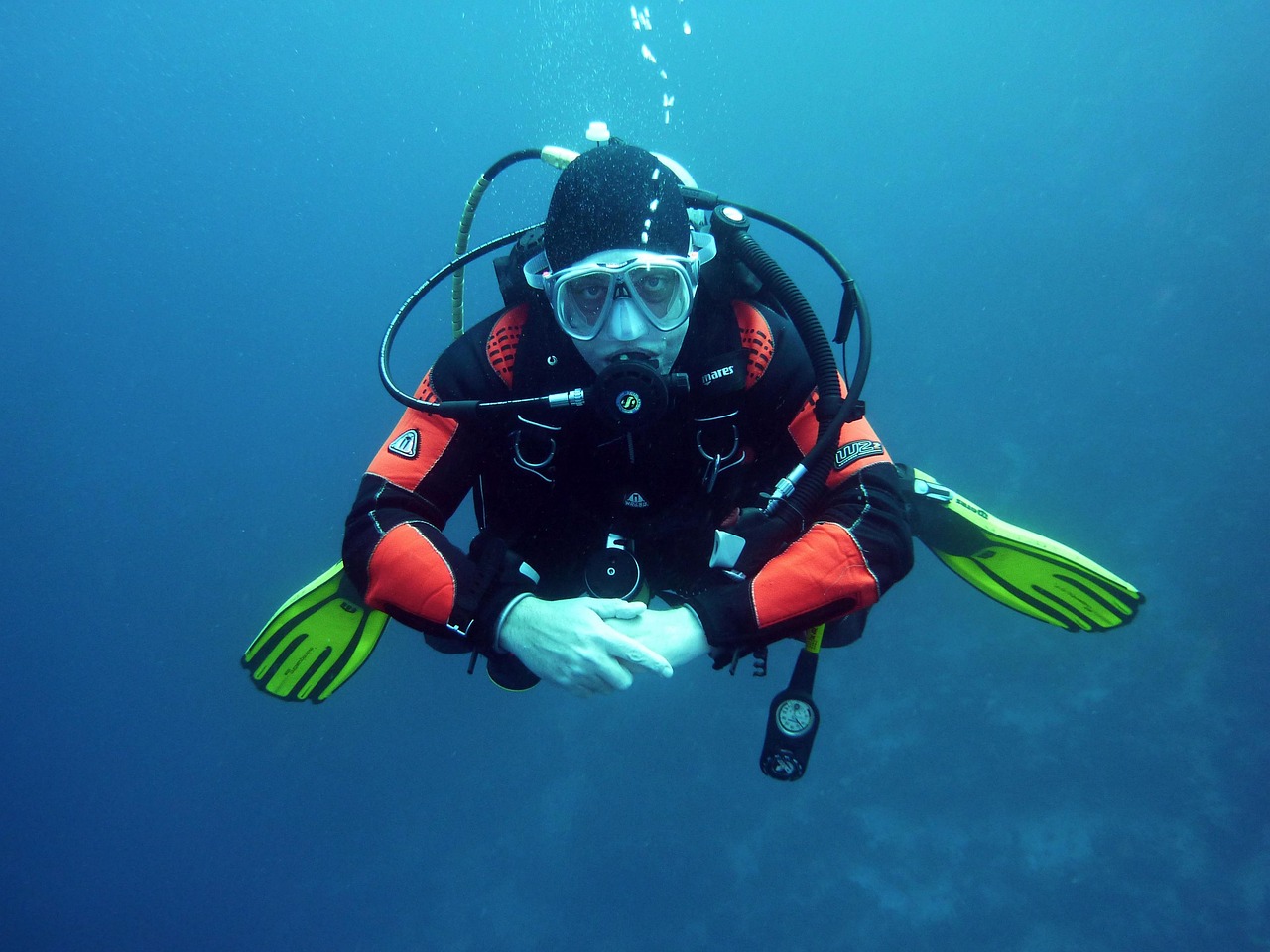
Kota Kinabalu sits on the northwest coast of Borneo, flanked by a stretch of warm, clear water that draws divers from across the globe. The visibility here can reach up to 20 metres on a good day, and the marine life more than justifies the journey. If you are considering a diving trip to Sabah, here is what you need to know before you go.
Tunku Abdul Rahman Marine Park
Just a short boat ride from the city,
Tunku Abdul Rahman Marine Park spans five islands and offers some of the most accessible reef diving in Malaysia. Sapi and Gaya islands are the standout sites. Sapi is well suited to those newer to diving, with shallow reefs, good visibility, and a dense population of reef fish including parrotfish, clownfish, and lionfish. Gaya offers more varied terrain, with deeper drop-offs that attract larger species such as barracuda and occasional reef sharks.
The coral coverage across both islands is genuinely impressive, particularly at lesser-visited entry points around Gaya's eastern shore. Macro photography enthusiasts will find plenty of interest too — nudibranchs and seahorses appear regularly along the sandy beds between coral formations.
When to Dive in Sabah
Diving conditions off Kota Kinabalu follow a fairly predictable seasonal pattern. The dry season runs from March through to October, bringing calmer seas, better visibility, and more manageable surface conditions. This is the window most divers aim for, and March to May tends to offer the most consistent results overall.
November through February brings the northeast monsoon. Conditions become rougher, and some dive operators restrict trips during this period. It is still possible to dive, but you should check sea conditions with your operator before booking.
Practical Advice for Divers of All Levels
If you are not yet certified, several reputable dive schools in
Kota Kinabalu offer PADI open water courses that can be completed within three to four days. Scuba Junkie and Borneo Dream are well-regarded options with experienced instructors and clear safety protocols. Getting certified locally makes sense — instructors here know the sites and can give you a meaningful introduction to the conditions you will actually be diving in.
For certified divers, bringing your log book is worth doing. Some operators use it to assess experience before assigning guides or approving certain sites. Equipment hire is widely available, but if you have your own BCD or wetsuit, bringing it reduces the logistical back-and-forth on the day.
Regardless of experience level, always complete a pre-dive briefing and follow your guide's instructions on depth limits and current management. Conditions can shift between tides, and the guides at reputable operators genuinely understand how to read them.
Conservation in the Marine Park
The reefs around Kota Kinabalu have benefited from sustained conservation work led by local organisations and the Sabah Parks authority, which manages Tunku Abdul Rahman Marine Park. Mooring buoys have been installed at key dive sites to prevent anchor damage to coral, and zoning restrictions limit certain activities in sensitive areas.
Several dive operators actively support reef monitoring and clean-up programmes. Choosing one of these operators means your visit contributes directly to the health of the reef rather than simply extracting value from it. Ask your operator whether they participate in any reef monitoring schemes — many are happy to explain what they do.
Making the Most of Your Trip
Kota Kinabalu diving rewards those who plan ahead but does not punish those who leave a little room for flexibility. Book during the dry season if you can, choose a certified operator with a clear safety record, and take the time to learn about the sites before you get in the water. The reefs here are worth protecting, and the more informed you are as a diver, the less likely you are to damage what makes them worth visiting in the first place.