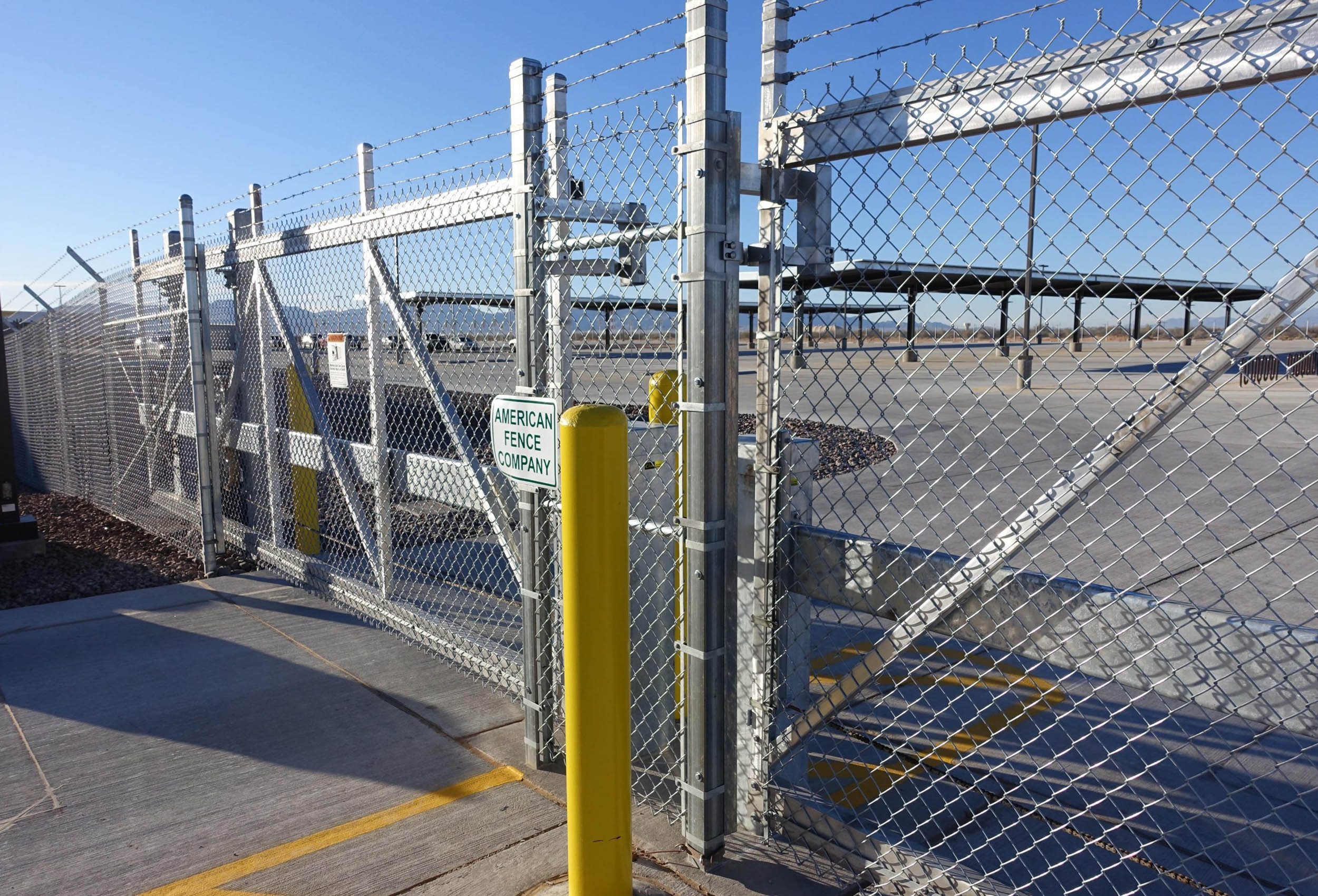
Your perimeter security is the first line of defence for critical infrastructure, commercial sites, and private estates. Despite its importance, it's frequently treated as an afterthought during the planning stages. This can lead to it being specified too late in a project, budgeted too low to be effective, or selected without enough technical scrutiny to ensure it meets the required standards.
Choosing a fence that merely looks the part but underperforms structurally can create a dangerous false sense of security. An inadequate barrier is arguably worse than no barrier at all, as it can lead to complacency while still being vulnerable to breaches. This article is designed to help you avoid that mistake. We will cover the key distinctions that separate a genuine high-security fence from a standard one and outline what you should prioritise when specifying a system for your site.
Choosing the Right Material
Material selection directly affects both the durability and the deterrent value of a high security fencing. Reinforced steel palisade fencing remains one of the most widely used options for high-risk sites — its pointed pale tops resist climbing attempts, and its rigid structure holds up against impact. For sites where visibility needs to be restricted, reinforced steel panels offer solid coverage without compromising structural strength.
Anti-climb mesh systems, such as 358 mesh (so named for its 3" x 0.5" x 8-gauge specification), are another practical option. The aperture size is too small to gain a finger or toe hold, making it genuinely difficult to scale. It's commonly specified for prisons, data centres, and utilities infrastructure where the cost of a breach is high.
The material you choose should match the threat level you're defending against. A site storing low-value assets in a low-crime area has different requirements to a substation or government facility. Matching specification to risk level avoids both overspending and under protecting.
Integrated Technology
A physical barrier on its own is a passive defence. Integrated technology turns it into an active one. Motion-detecting cables and taut-wire systems can be mounted to fence lines to trigger alerts the moment tension is applied — whether from climbing, cutting, or sustained pressure. This gives security personnel time to respond before a breach occurs rather than after.
Surveillance mounting is another practical consideration. High security fence posts and panels can be engineered to carry CCTV brackets, lighting rigs, and detection systems, removing the need for separate infrastructure. This keeps your perimeter clean, reduces installation costs, and means your detection and deterrence operate from the same structural line.
When specifying technology integration, work with your fencing supplier early. Retrofitting surveillance equipment to a fence not designed for it creates weak points — both structurally and in terms of coverage gaps.
Installation Standards and Structural Integrity
Even the best materials fail if the installation isn't done properly. For high security fencing, ground conditions matter. Posts must be set at the correct depth for soil type, with concrete foundations sized appropriately for the fence height and expected lateral load. A fence that shifts, leans, or can be lifted from its footings is a vulnerability.
Welded construction is generally preferred over mechanically fixed panels for high-risk applications — it reduces the number of accessible fixings and makes the overall structure more resistant to deliberate interference. Anti-tamper fixings should be used throughout, particularly at gate hardware and hinge points, which are common targets.
Third-party certification, such as LPS 1175 in the UK, gives you an independently verified rating of how long a fence line will resist a forced attack using specified tools. If you're procuring fencing for a site with regulatory or insurance requirements, certified products offer a documented standard of performance.
The Long-Term Case for High-Specification Perimeters
A high security fence isn't a cosmetic feature — it's an investment in operational continuity. The cost of a single security breach, whether measured in stolen assets, regulatory penalties, or reputational damage, will almost always exceed the cost difference between a standard and high security system.
Specifying correctly from the outset also reduces lifetime costs. A well-installed, high-grade perimeter requires less maintenance, holds its structural integrity longer, and is less likely to need replacement within a decade. The upfront premium pays for itself more often than not.
If you're at the specification stage, take the time to assess your site's actual threat profile, consult a certified installer, and request independently tested products. The decision made now sets the terms of your perimeter security for years to come.