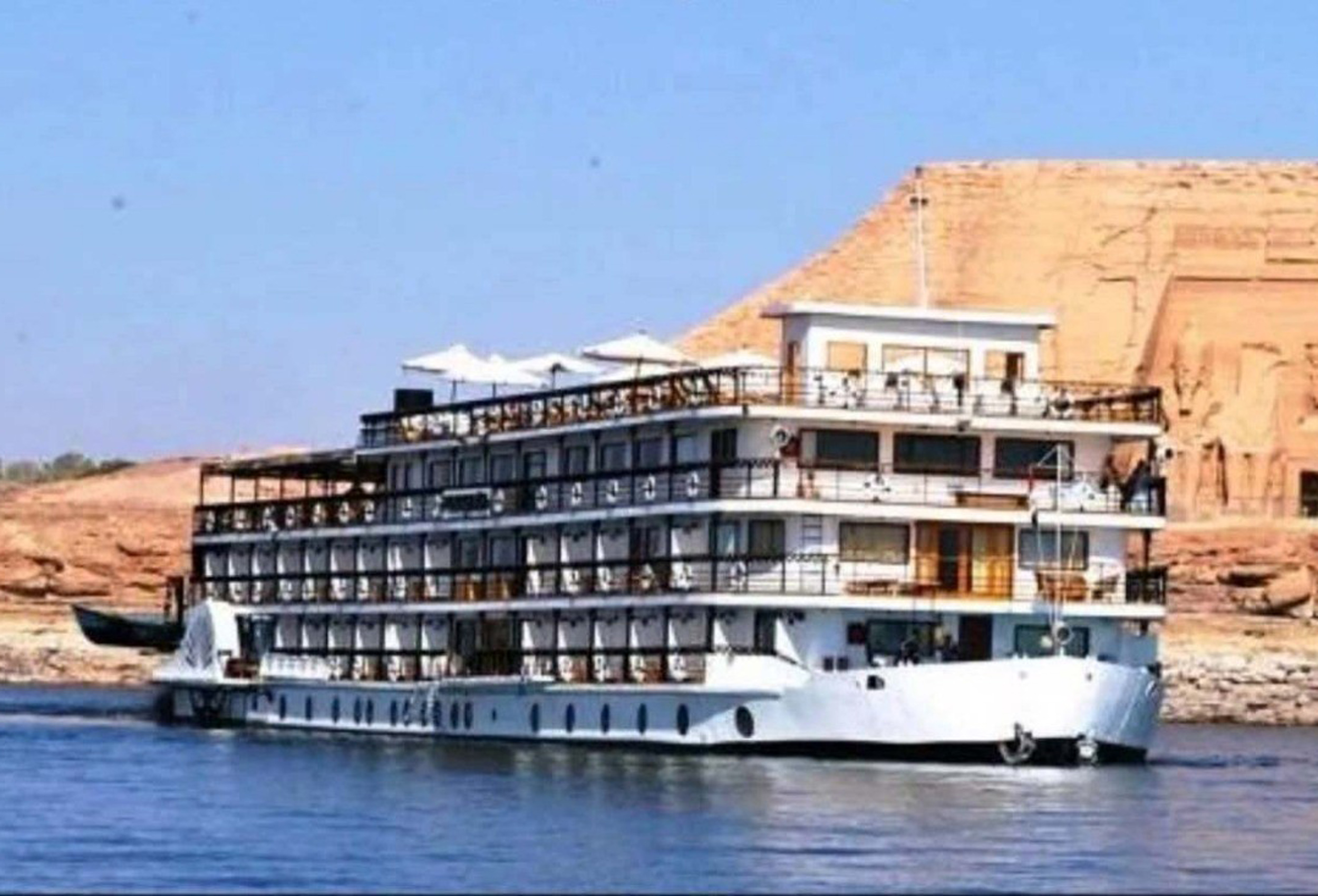
There are few travel experiences in the world that can match the feeling of watching Egypt's ancient temples and landscapes drift past from the deck of a boat. A cruise along the Nile allows you to move between historical sites at a more natural, unhurried pace, far removed from the frantic energy that often comes with a packed tour bus itinerary. Whether you're a first-time visitor overwhelmed by the sheer scale of Egypt's history or a returning traveller looking for a deeper connection, a river journey remains one of the most rewarding and authentic ways to see the country.
Historical Sites Along the Riverbank
The river journey between Luxor and Aswan is particularly dense with some of Egypt's most significant ancient monuments, making it the most popular route for Nile cruise Egypt. Just outside of Luxor, you'll find the Karnak Temple. This is not a single temple but a vast complex of sanctuaries, pylons, and obelisks built and expanded over 2,000 years. Its scale is immense, and you should plan to dedicate several hours to fully appreciate its grandeur and historical depth.
As you travel further south from Luxor, the temples at Edfu and Kom Ombo are highlights that appear directly on the riverbank. Their convenient location means they are accessible within minutes of docking, allowing for seamless and relaxed explorations without long overland transfers.
Aswan typically marks the southern end of most standard cruise itineraries. It's here that you can visit the Philae Temple complex, a site with a compelling modern story. The entire temple was painstakingly relocated, stone by stone, to its current home on Agilkia Island to save it from the rising waters after the construction of the Aswan High Dam. While it is not directly on the cruise route, Abu Simbel is often offered as an optional excursion. Though it requires a separate day trip by road or air, the two massive rock temples are a truly iconic sight and are well worth the extra effort if your schedule allows for it.
Life Onboard a Traditional Dahabiya
Unlike the larger cruise ships that accommodate hundreds of passengers and operate on rigid, fixed schedules, a dahabiya offers a much more intimate and flexible experience. A dahabiya is a traditional wooden sailing vessel, and by design, it carries a much smaller group of people, typically between eight and sixteen guests. This smaller scale naturally fosters a slower, more relaxed pace and a quieter, more personal atmosphere onboard. Because of its size, a dahabiya can also access smaller, less-visited sites along the river, providing a unique perspective that is simply unavailable on larger cruises.
The experience onboard is also distinct. Meals on a dahabiya are usually prepared fresh by an onboard chef using local produce sourced from markets along the way, offering an authentic taste of the region. The evenings are particularly special; away from the bright lights of the cities, the desert sky has very little light pollution, allowing for genuinely clear and starry nights that you can enjoy from the deck. If you are looking for a less commercial, more personal journey through ancient landscapes, a dahabiya provides an experience that is well worth the additional cost.
Practical Travel Tips for Egypt
Bring Egyptian pounds in cash. Many sites, local shops, and smaller restaurants do not accept cards reliably. Withdrawing money from ATMs in Luxor or Aswan before departure is a sensible approach.
Sun protection is non-negotiable. Temperatures between April and October regularly exceed 35°C, and many of the most significant sites offer very little shade. A wide-brimmed hat, high-factor sunscreen, and a refillable water bottle should be considered standard kit rather than optional extras.
Photography is permitted at most outdoor sites, though some temples charge an additional camera fee. It is worth checking this before you arrive to avoid unnecessary delays at the entrance.
Seasonal Planning for Your Journey
October through April is the most comfortable period for a Nile cruise. Daytime temperatures sit between 20°C and 28°C across much of this window, which makes long days of sightseeing far more manageable. December and January are the busiest months, so booking several months in advance is advisable if you plan to travel then.
Summer travel is possible but demanding. Temperatures regularly exceed 40°C in July and August, and several open-air sites become genuinely difficult to visit during midday hours. Travellers who do choose summer tend to plan early morning starts and rest during the afternoon.
Start Planning Your Nile Cruise
A Nile cruise repays careful planning. The historical sites are extraordinary, but the experience as a whole — the rhythm of the river, the quality of the light at dusk, the scale of monuments that have stood for millennia — is what most travellers remember long after returning home. Decide on your preferred vessel type, set your travel dates around the season that suits you, and give yourself enough time at each stop to explore properly rather than rushing.