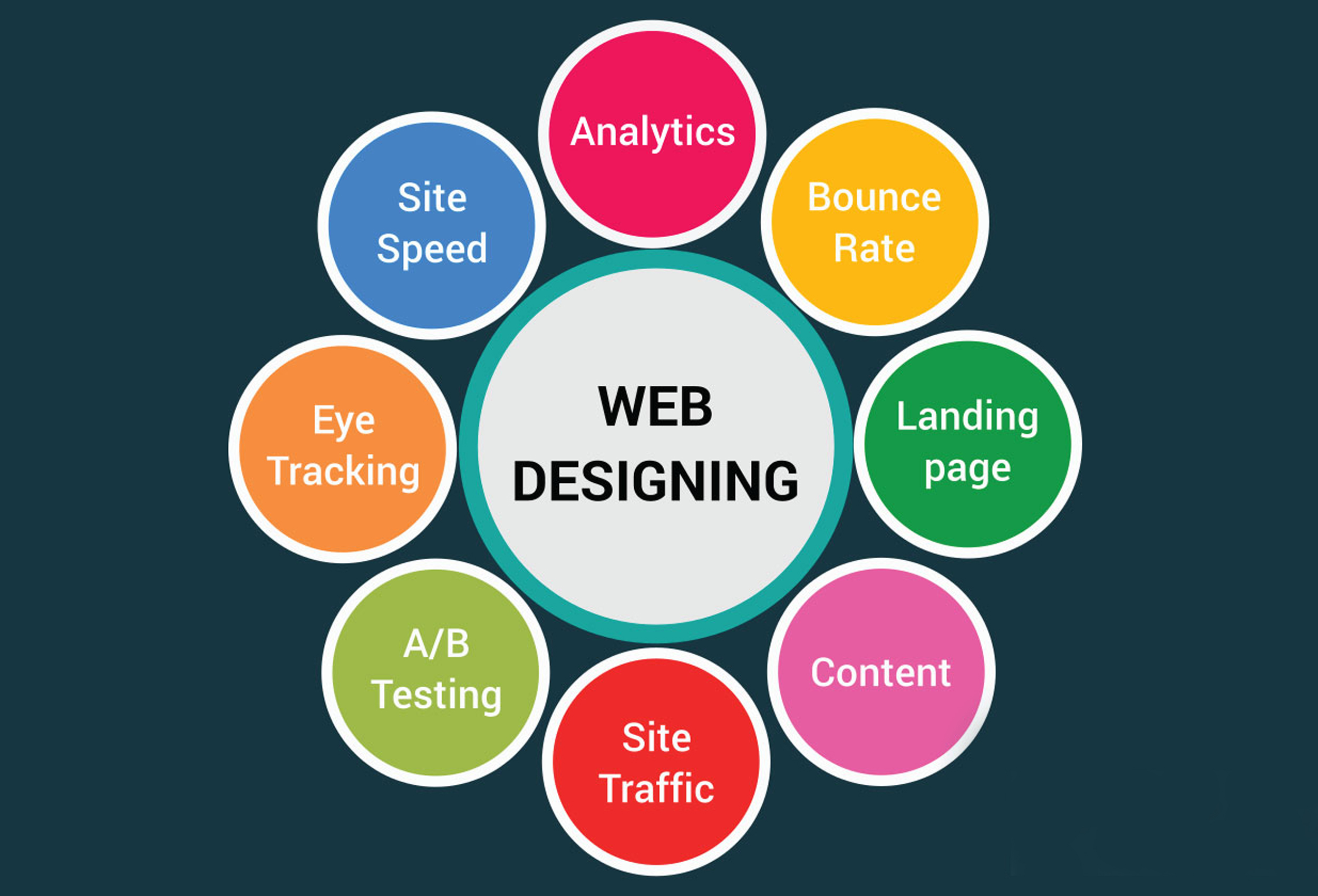
A well-built website does more than look impressive—it earns trust, drives conversions, and ranks well on search engines. The gap between a site that performs and one that doesn't often comes down to a handful of design and development decisions made early on. Get them right and everything else follows more naturally.
Modern Aesthetics Meet Practical Purpose
Visual web design & development sets the first impression. Clean layouts, consistent typography, and deliberate use of whitespace signal professionalism to visitors within seconds of landing on a page. But aesthetics without function create friction. A visually striking homepage that loads slowly or buries key information beneath layers of animation will lose visitors faster than a plain one that communicates clearly.
The most effective websites treat design and function as inseparable. Every visual choice—colour, spacing, hierarchy—should serve the user's journey, not compete with it. When those two things work together, the result feels effortless to use and reflects well on the brand behind it.
Responsive Layouts and the User Experience Payoff
More than half of global web traffic comes from mobile devices. A layout that works beautifully on desktop but breaks on a phone isn't a minor inconvenience—it's a measurable loss of users and revenue. Responsive design solves this by adapting the layout to fit the screen it's viewed on, rather than forcing the user to adapt to the screen.
Beyond screen size, user experience depends on how quickly visitors can find what they're looking for. Logical navigation, clear calls to action, and consistent page structure reduce cognitive load. When users don't have to think about how to use your site, they spend more time engaging with the content on it. That's the practical payoff of investing in responsive, user-centred design.
How Clean Code Influences Search Rankings
Search engines don't just see the visual content on your site; they crawl and index the code behind it. If your HTML is bloated with unnecessary tags or poorly structured, it can slow down page rendering and confuse the web crawlers that are trying to understand your content. The result is often a drop in search rankings. In contrast, clean, semantic code—which involves using the right HTML elements for their intended purpose, like <header>, <article>, and <footer> —provides search engines with a clear, logical map of your content. This clarity improves how your site is interpreted and indexed.
Page speed is another critical element, and it's a confirmed Google ranking factor. Simple optimisations can make a significant difference to your site's performance. For instance, compressing images to reduce their file size, minimising the number of scripts that need to run, and leveraging browser caching to store parts of your site locally can all contribute to faster load times. The impact is measurable: a site that loads in under two seconds retains considerably more visitors than one that takes four seconds or more to appear. Google's algorithms are designed to favour sites that offer a better user experience, and a fast-loading page is a fundamental part of that. This shows that performance optimisation and SEO are not separate concerns; they are two sides of the same coin, working together to improve your site's visibility and usability.
Balancing Visual Appeal With Site Architecture
Strong site architecture means users and search engines can move through your content logically. A clear URL structure, well-organised internal linking, and a sensible page hierarchy all contribute to this. These aren't glamorous features, but they underpin discoverability and usability in equal measure.
The tension between visual ambition and structural discipline is real, but it's resolvable. Prioritise page hierarchy first—decide what matters most and build the visual design around that order of importance. Decorative elements should enhance clarity, not compete with it. When you approach design that way, the finished site tends to be both more attractive and more functional than one built without that discipline in place.
A website that performs well is rarely an accident. It's the result of deliberate decisions across design, development, and content—each one reinforcing the others.